「現金が必要だけれども手元にお金もクレジットカードもない」という人におすすめしたいのが後払い(ツケ払い)現金化です。
後払い現金化は、先に現金化をしたお金を振り込んでもらい、支払いは後日行えばいいため「今現金がない」という人でも利用することができます。
この記事では後払い(ツケ払い)現金化について、おすすめの現金化業者や仕組み、メリットなどの情報を紹介していきます。
おすすめの後払い(ツケ払い)現金化業者紹介
後払い(ツケ払い)現金化は近年増えており、様々な業者が存在しています。
業者選びに迷った方は、これから紹介する業者を利用するのがおすすめです。
おすすめ後払い(ツケ払い)現金化業者1位:ナンバーワンキャッシュ
公式URL
https://no1cash.com/
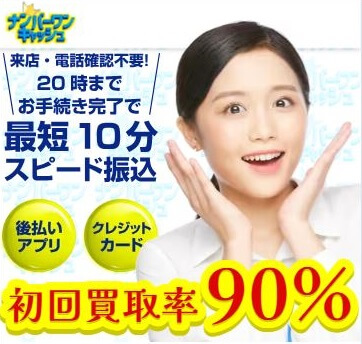
初回買取率90%が嬉しいナンバーワンキャッシュ。
来店不要、かつ電話確認不要なので手間をかけずに現金を手に入れることが可能です。
20時まで利用できるというのも意外と魅力的なポイントです。
ナンバーワンキャッシュの口コミ評判。来店、電話確認不要で初回90%。本当に振り込まれる?詐欺ない?おすすめ後払い(ツケ払い)現金化業者2位:カイトリング
公式URL
https://kaitoring.com/
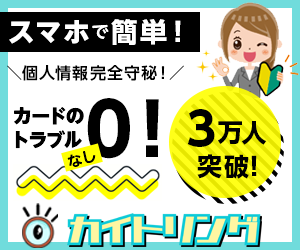
カイトリングは初回買取率90%が魅力の現金化業者です。
現金化できるカードやアプリがあれば、初めてでも簡単に利用が可能!
業界ナンバーワンの買取率と振込スピードが自慢です。
振込手数料も無料です。
カイトリングの後払い現金化は振り込まれない?危険?口コミ評判は?初回買取率90%で即日入金おすすめ後払い(ツケ払い)現金化業者3位:バンクレジット
公式URL
https://bancredit.biz/
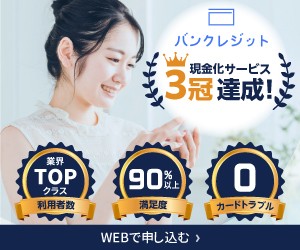
初回90%、2回目以降85%と高換金率が魅力的なバンクレジット。
後払いアプリがあればすぐに現金を用意できます。
クレジットカードを持っていなくても、成人であれば現金が作れるので気軽に利用が可能です。
審査も必要ないので、できるだけ早くお金が欲しいという人におすすめできます。
バンクレジット(後払い現金化)は振り込まれない?やばい?口コミ評判は?初回90%で即日振込、最短10分入金おすすめ後払い(ツケ払い)現金化業者4位:いいねキャッシュ
公式URL
https://iinecash.com/
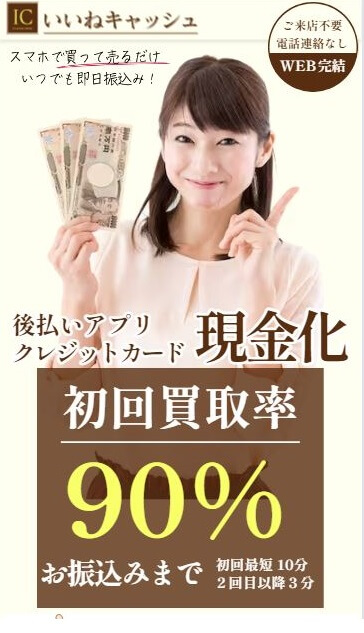
いいねキャッシュは最短10分で現金化が可能。
「できるだけ早くお金が必要!」という方に使いやすい業者です。
また、多種多様な後払いアプリの利用ができることはもちろん、クレジットカード現金化にも対応しているので、柔軟性の高い使い方ができます。
いいねキャッシュの口コミ評判。LINE完結で初回買取率90%。本当に振り込まれる?詐欺ない?おすすめ後払い(ツケ払い)現金化業者5位:ペイチェン
公式URL
https://paychan.net/
ペイチェンは振り込みまで最短10分で、いつでも、だれでも使える後払い現金化サービスです。
365日24時間受付しているので、困ったときにすぐに利用ができます。
また、様々なサービスと連動しており、使い勝手が良い点も人気の秘訣です。
ペイチェンの後払い現金化は振り込まれない?怪しい?口コミ評判は?アプリやカードで現金化が可能おすすめ後払い(ツケ払い)現金化業者6位:即日アリアちゃん
公式URL
https://sokujitsu.aria-inc.co.jp/
即日アリアちゃんは後払いアプリやクレジットカードで商品を購入し、その商品を買い取ってもらうことで現金化ができる後払い現金化業者です。
後払いアプリで現金化ができるためクレジットカードを持っていない人でも利用できて、買取もすべて業者側がしてくれるため余計な手続きをする必要もありません。
また、最低84%以上の入金を保証しているため高額買取に期待でき、また初めての人に対しても丁寧なサポートをしてくれるため安心して利用できます。
振り込みも最短10分と早いので、利用しやすい業者だといえるでしょう。
即日アリアちゃんは振り込まれない?危険?口コミ評判は?スマホがあれば誰でもできる後払い現金化サービスおすすめ後払い(ツケ払い)現金化業者7位:i-Market(アイマーケット)
公式URL
https://imarket-mobile.xyz/
i-MarketはiPhoneの買取を専門としている現金化業者です。
お持ちのiPhoneの写真を送れば査定をしてもらえて、商品を送る前に先に現金を振り込んでもらえるため、急いでいる人でも安心して利用できる業者です。
また他の店では買い取ってもらえない、買取価格が低くなるといった画面割れなどのiPhoneでも高額買取をしてもらえ、手数料や査定料も無料なので少し手も高く買い取ってもらいたいという人にもおすすめです。
i-Market(アイマーケット)の口コミ評判!不要なスマホをスピード買取!怪しい?詐欺業者?おすすめ後払い(ツケ払い)現金化業者8位:買取キング
公式URL
https://kaitoriking.main.jp/a4/
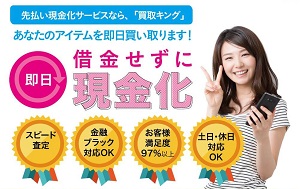
買取キングは自宅にある商品を先払いで買い取ってもらえる現金化業者です。
商品は後日送れば良いため、急いでいる人や手元に商品がないという人でも写真さえあれば気軽に現金を調達することができます。
金融ブラックの方でも利用できて、手数料も10%~と業界トップクラスの低さとなっており、高額な買取にも期待できます。
お客様満足度97%以上、リピート率も91.7%と高いため、満足できるサービスに期待できる業者でしょう。
買取キング(先払い買取)は怪しい?詐欺?口コミ評判は?借金せずに現金化!金融ブラック対応OKおすすめ後払い(ツケ払い)現金化業者9位:アップルキャッシュ
公式URL
https://www.apple-cash.net/
アップルキャッシュはiPhoneやゲーム機などの商品を先払いで買い取ってもらえる現金化業者です。
商品の写真があれば、商品を送る前に現金を振り込んでもらえるため、急いでいる時でも気軽に利用できる業者です。
また、商品先送りも選べるため、その時々の状況に応じて使い分けることもできます。
壊れたiPhoneなど他の店では買い取ってもらえないものも現金化をすることができ、高額買取にも期待できるため利用しやすい業者だといえるでしょう。
アップルキャッシュ(後払い現金化)は怪しい?詐欺?口コミ評判は?iPhone高価買取。最短5分即日振込おすすめ後払い(ツケ払い)現金化業者10位:キャッシュドアー
公式URL
https://cashdoor.jp/
キャッシュドアーは商品の写真を送れば現金化ができる新しいタイプの現金化業者です。
写真があればすぐに利用でき、商品は後日送ればいいので急いでいる人でも安心して利用できます。
買取可能な商品が幅広く、買取代金の受け取りも現金だけでなくLINE Payなどでも受け取れることができます。
また現金化業者では手続き完了後はキャンセルすることはできませんが、キャッシュドアーの場合は買取金額を受け取り後、24時間以内であれば手数料を支払って買取をキャンセルできるのも特徴です。
CashDoor(キャッシュドアー)は怪しい?詐欺?口コミ評判は?売りたいモノの画像を送ってすぐに現金化おすすめ後払い(ツケ払い)現金化業者11位:アイペイ
アイペイはpaidyやバンドルカードといった後払いアプリを利用して商品を購入し、現金化ができる後払い現金化業者です。
後払いアプリ利用者なら特別な準備は必要なく、気軽に利用することができて、後払いアプリの限度額まで利用できるため高額な現金化にも対応してもらえます。
また換金率が高く、最高85%もの換金率が適用されるためお得な現金化にも期待できます。
キャンペーンが適用されると最高99.2%という後払い現金化業者の中でも屈指の換金率になるため、高換金率を求めている人には特におすすめでしょう。
アイペイは怪しい?詐欺?口コミ評判は?後払いアプリで即日対応!創業13年の実績ありおすすめ後払い(ツケ払い)現金化業者12位:アーティクション
公式URL
https://artiction-art.com/
アーティクションはデジタル現代アートを後払いで購入し、そのレビューを書くことで現金報酬を受け取れる現金化業者です。
そのため現金が必要という人はもちろんのこと、デジタル現代アートに興味があるという人にもおすすめです。
審査は最短5分、申し込みからレビューを書いて、現金が振り込まれるまでも最短15分とスピーディーな手続きが可能で、急いでいる人でも利用しやすいでしょう。
また、支払いも最長1か月後まで指定できるので、給料日が遠い人も安心して利用できるのも特徴です。
ARTICTION(アーティクション)の後払い現金化は怪しい?詐欺?口コミ評判は?デジタル現代アート購入で即日報酬おすすめ後払い(ツケ払い)現金化業者13位:クックペイ
公式URL
https://cookpay.net/
クックペイは料理のレシピを後払いで購入して現金化ができる現金化業者です。
デジタルレシピを購入後、そのレシピで料理を作ったレビューを書き込むことで現金を受け取れるため、ただ現金を受け取るだけでなく料理も楽しめるのが特徴です。
弁護士監修のサービスなので安全性も高く、金額も1万円~25万円まで幅広い金額のレシピが用意されているため、高額な現金化をしたい人にも利用しやすいでしょう。
また、現在はキャッシュバックのキャンペーンも開催されており、よりお得に現金化ができるのでおすすめです。
クックペイ(後払い現金化)は怪しい?詐欺?口コミ評判は?今なら最大5000円キャッシュバックおすすめ後払い(ツケ払い)現金化業者14位:アシストPAY
公式URL
https://assist-pays.main.jp/a4/
アシストPAYはスマホさえあれば後払いで商品を購入して、現金を受け取れる後払い形式の現金化業者です。
最短15分で手続きできるため、急いでいる人でも気軽に利用でき、在籍確認や信用情報の確認も行われないので現金化したことがバレたくない人や金融ブラックの人でも利用できます。
手数料も業界最安値なので余計なお金を取られる心配もなく、満足いくまでサポートをしてもらえるため初めて現金化をするという人もでしょう。
アシストPAY(ペイ)の後払い現金化は怪しい?詐欺?口コミ評判は?金融ブラックでも審査OK!業界最安値の手数料後払い(ツケ払い)現金化ってどんなサービスなの?
現金化の方法として近年利用者が増えているのが後払い(ツケ払い)現金化です。
通常、商品を購入して現金化をする場合、購入した時点で支払いをしてから、商品を買い取ってもらわなければいけません。
そのため手元に現金がないと商品を購入することができません。
それに対して後払い現金化では、商品を後払いで購入して、先に商品だけを受け取ることができます。
それを買い取ってもらったり、宣伝をしたりして現金に換えることができるため、手元に現金やクレジットカードがない人でも現金を調達することができます。
後払い(ツケ払い)現金化の主なやり方
ショッピングサイトの後払いを利用する
ショッピングサイトの中には商品購入後すぐに支払いを求めるのではなく、翌月の決済日までに代金を支払えば良いというシステムを採用しているところがあります。
このようなシステムを利用すれば現金がなくても商品を購入することができ、尚且つ、購入した商品を販売することで現金化が可能となります。
この後払いのシステムを導入しているショッピングサイトの数は増加傾向にあります。
また、登録も比較的容易であることから、利用者数も増えています。
キャリア決済の後払いを利用する
キャリア決済に対応しているショッピングサイトを利用すれば、現金がなくても商品の購入が可能です。
そしてその商品を販売できれば、現金を手にすることができるのです。
そもそもキャリア決済とは利用している携帯電話会社に通話料金や通信料金を支払うとき、それに対応しているショッピングサイトで買い物した代金を一緒に支払うというシステムです。
携帯電話の料金は毎月決まった日に支払うことになるために、キャリア決済で購入した商品は結局のところ後払いとなるわけです。
携帯キャリア決済を現金化するおすすめ業者番付11選ランキング2024年04月版バンドルカード
バンドルカードの「ポチっとチャージ」を利用すれば、後払いが可能となります。
まずバンドルカードのアプリをダウンロードし、「ポチっとチャージ」を選択して買い物に必要な額を打ち込みます。
そうすることで打ち込んだ金額内での買い物が可能となるのです。
使った金額は後払いで支払うことになります。
当然のことながら、チャージできる金額には上限がありますが、急にお金が必要となったときに重宝します。
バンドルカードで現金化するやり方とは?即日でできる?最新のお金の作り方電子マネーの後払いサービス
本来、電子マネーはチャージした金額分の買い物しかできないシステムです。
そのためカード内に残高がないと、買い物できません。
しかし電子マネーの中には後払いのサービスを提供しているものがあります。
このようなサービスを利用すれば、後払い現金化が可能となります。
しかし後払いサービスに対応している電子マネーを利用する必要があることや、後払いを利用する際のチャージの方法が定められているものもあるために、事前のチェックが必要です。
【電子マネーを現金化】どういった仕組み?クレジットカード現金化とはちょっと違った手法後払い(ツケ払い)現金化のメリット
利用がバレにくい
後払い現金化は自分で商品を購入し、それを販売して現金を得る方法です。
そのため、基本的に消費者金融でお金を借りるときのような、職場や家庭への在籍確認の電話はありません。
自分が持っているスマホへの確認の電話はある場合もあります。
また、請求書が自宅に届くこともなく、現金化の事実が家族に知れることはないのです。
しかし商品購入の記録などは残るために、購入記録画面が表示されたままのスマートフォンを無防備な形で放置していると、バレることもあります。
ブラックリストでも利用できる
後払いができるショッピングサイトは数多く存在します。
また後払いアプリなども種類が豊富であり、様々な形での後払いが可能となっています。
そして、このようなサイトやアプリの中には審査がそれほど難しくないものも多く、過去に金融事故を起こしてクレジットカードが作れないような場合でも利用できるものがたくさん存在します。
そのためクレジットカード現金化ができない人であっても、後払い現金が可能であるというケースも多々存在するのです。
即日入金されることが多い
後払い現金化のメリットの1つは、即日入金が可能であるということです。
個人で即日現金化を行う場合は購入した商品をその日のうちに販売し、尚且つ購入者にすぐに代金を振り込んでもらう必要があります。
このような状況ゆえに個人で後払い現金化を行う場合は作業が遅くなることもあります。
しかし後払い現金化業者を利用すれば、たいていの場合は即日入金が可能です。
業者を利用する場合は、手数料が取られるため、購入した商品の代金がそのまま現金化されるわけではありませんが、現金化までのスピードを求める場合は業者の利用がおすすめです。
後払い(ツケ払い)現金化のデメリットや注意点
手数料がかかることの方が多い
先にも少し触れたように、後払い現金化業者は顧客に対して手数料を徴収するのが一般的です。
多くの場合、手数料はあらかじめ定められた額ではなく、購入した商品の何%といった形で徴収されます。
また傾向としては価格の安い商品に対しては買取率が低く、手数料が多く取られることとなります。
そのため業者を介して後払い現金化を行う場合、手数料を計算して商品を購入する必要が生じてくるのです。
利用出来る上限額が少額
クレジットカードは審査をパスした人のみが所有できます。
そのため、所有者に対する信頼度も高く、場合によっては高額のショッピング枠が付与されることがあります。
それに対して後払いに対応しているサービスやアプリを利用する際、それぞれが行う審査はそれほど難しいものではありません。
中には学生であっても利用できるものもあります。
こうした状況ゆえに、後払いサービスで利用できる上限額は低めに設定されています。
即日振込が出来ない場合もある
後払いサービスを利用してスピーディーな現金化を望むのであれば、業者を利用するのがおすすめです。
しかし、業者を利用しても即日入金できないこともあります。
例えば入金を指定した金融機関の営業時間外に後払い現金化を申し込んだ場合、入金は最速でも翌日となってしまいます。
金融機関によっては土日の営業を行っていないところもあるために、後払い現金化を申し込むタイミングは非常に重要です。
もちろん個人で行う場合は商品の販売、そして入金の催促を自分で行わなければならず、即日入金が難しくなることがあります。
後払い(ツケ払い)現金化をするまでの流れ、手順
後払い(ツケ払い)現金化を利用したことがない人の中には、現金化の流れがわからないので不安という人もいることでしょう。
ここからは、後払い(ツケ払い)現金化をするまでの流れを紹介していきます。
後払い(ツケ払い)現金化を利用する際にはどの業者を利用しても申し込みが必要です。
現金化業者によって現金化の方法や換金率、購入する商品などが異なるため、自分に合った業者を探して申し込みを完了させましょう。
なお、申込み方法は業者によって多少は異なりますが、多くの場合、申込フォームや電話などから行うことができます。
どの業者でも公式サイトに申込フォームが用意されていることが多いので、申し込み方法がわからない方は利用したい業者の公式サイトにアクセスしてみることをおすすめします。
後払い(ツケ払い)現金化では後払いで商品を購入することになるため、利用者に支払能力があるかの確認が行われます。
そのために職場への在籍確認や身分証や給与明細などの必要書類の提出を求められる場合もあります。
必要書類は多少の違いがありますが、、
- 運転免許証などの顔写真付きの身分証明書
- 健康保険証
- 直近の給与明細
- 直近の給与振込先の通帳の履歴
などの提出を求められることが多いです。
また業者によっては職場への在籍確認が必要なケースもあるため、事前に必ず確認しておきましょう。
後払い(ツケ払い)現金化では申し込みが完了したらすぐに現金化をしてもらえるわけではありません。
後日支払いをするという仕組み上、本当に支払いができるかの審査が行われます。
この審査ではカードローンやクレジットカードの審査のように信用情報の確認は行われません。
過去の利用状況や他社からの借り入れ状況、給与の額など踏まえた上で、本当に支払い能力があるかの確認が行われます。
支払い能力があると判断されれば、金融ブラックの方などでも利用できます。
審査が完了し、支払い能力があると判断されれば、業者側から連絡があり、そこで購入する商品の価格とキャッシュバックや報酬、転売で受け取れる金額が提示されます。
なお購入できる商品の上限金額や手数料などの条件は業者や利用回数によって異なります。
そのため同じ条件で申し込みをしても業者によって支払金額や受取金額は異なります。
平均すると上限額は5万円程度、手数料は20%~40%程度になることが多いです。
業者側から提示された購入金額及び受取金額に納得できたら、購入手続きを進めていきます。
通常の買い物であればこの段階で支払いをしますが、後払い現金化業者の場合は支払いは後日行うことになるため、誓約書を作成することになります。
誓約書が送られてくるので、内容をすべて確認したうえでサインをしてください。
サインをしたら購入手続きが完了します。
なお一度購入手続きが完了するとキャンセルできないことがほとんどなので注意してください。
購入手続きが完了すると、申込時に指定した口座に現金が振り込まれます。
なお現金が振り込まれるタイミングは業者の現金化の方式によって次のように異なります。
| 方式 | 振込のタイミング |
|---|---|
| キャッシュバック方式 | 商品の購入後すぐに振り込まれる |
| 宣伝報酬方式 | 指定されたサイトにレビューを書き込んだ後に振り込まれる |
| 転売代行方式 | 商品の転売が完了した時点で振り込まれる |
特に宣伝報酬方式はレビューなどを書く報酬として現金が振り込まれるため、宣伝を忘れないようにしてください。
後払い(ツケ払い)現金化は現金を受け取ったら手続きが終わるわけではありません。
指定された期日までに支払いを行う条件で現金化をしているため、後日支払いをする必要があります。
支払い期日は業者によって異なりますが、給料日に合わせて設定されていることが多いです。
この支払いを滞納してしまうと契約違反になり、請求の連絡が自宅や職場に届いたり、信用情報に傷がついてしまう恐れがあるので必ず期日までに支払いをしてください。
後払い(ツケ払い)現金化は即日入金は可能?
現金化をしたいという人の中には即日で現金を受け取りたいという人も多いでしょうが、実は後払い(ツケ払い)現金化はそんな人も安心して利用できます。
後払い(ツケ払い)現金化では商品の購入代金は後日支払いをしますが、購入手続きが完了した時点で現金化をした金額は支払ってもらえます。
そのため即日で現金を振り込んでもらえます。
ですが業者によって営業時間や即日で振り込みが反映される時間が異なるため、申し込みの時間によっては振り込みが翌日以降になる可能性もあるので注意してください。
後払い(ツケ払い)現金化は職場への在籍確認は必須なの?
後払い(ツケ払い)現金化をしたい人の中には、現金化をしたことを職場に走られたくないという人もいることでしょう。
そんな人からすると在籍確認が必須なのかどうかが気になるかもしれません。
後払い(ツケ払い)現金化では利用する業者によって在籍確認が必須かどうかが異なります。
後日支払いをするという仕組みなので支払い能力を確認するために在籍確認をするという業者もあれば、給与明細などの提出だけでいい業者もあります。
後払い(ツケ払い)現金化のまとめ
今回は後払い(ツケ払い)現金化について紹介してきました。
後払い(ツケ払い)現金化なら後日代金を支払えばいいので、給与さえもらっていれば金融ブラックの方やクレジットカードを持っていない人でも現金を調達できる可能性が高いです。
手数料や悪徳業者などの注意点もありますが、正しく使っていれば安全に現金を調達することができます。
現金がなくてお困りの方は、ぜひ後払い(ツケ払い)現金化を利用して現金を調達することを考えてみてください。